
Labour is an intense, transformative experience, and for many expectant parents, the thought of managing its sensations can be daunting. As your doula, I often remind clients that while you can’t control when labour begins, you can equip yourself with powerful coping strategies. Breathing techniques, movement, and various comfort measures are your allies in navigating the intensity of contractions and empowering you through your unique birth journey.
The Power of Your Breath
Breathing is instinctual, yet conscious breathing during labour can be a game-changer. It helps oxygenate your muscles, calm your nervous system, and provide a focal point during contractions.
● Slow, Deep Breathing: In early labour, focus on long, slow inhales through your nose and even longer exhales through your mouth. Imagine breathing in calm and breathing out tension.
● Patterned Breathing (Lamaze/Bradley): As labour intensifies, you might naturally transition to more structured breathing patterns. These involve shorter, shallower breaths during the peak of a contraction, returning to slow breaths as it subsides. The key is rhythm and consistency.
● Low Tones and Vocalisation: Don’t be afraid to make noise! Deep moans, hums, or even growls can help keep your jaw relaxed (which is connected to your pelvic floor) and release tension. High-pitched sounds often indicate tension, so aim for low, resonant tones.
If you’re one of my clients or have attended one of my seminars, you’ve probably heard me say it loud and clear: labour is work! I’m all about encouraging labouring moms to relax, breathe, and stay grounded—but let’s be honest, the moment you walk into that labour room, the big bed takes center stage. And guess what? Laying down becomes almost unavoidable. Add in the cables, monitors, and IV lines, and it can feel like you’re being restrained to that bed. But here’s what I always remind my clients: Labour is work, and you have to work with your baby.
Staying active and changing positions frequently can significantly aid labour progress and comfort. Gravity works in your favor, and movement helps your baby descend and rotate.
● Walking: Especially in early labour, walking can help contractions become more regular and intense.
● Standing and Swaying: Leaning on your partner, a birthing ball, or a sturdy piece of furniture while gently swaying your hips can be very soothing.
● Slow Dancing: A gentle sway with your partner can be comforting and intimate.
● Rocking on a Birthing Ball: This can alleviate back pain and help open the pelvis.
● Kneeling and Leaning Forward: On the bed, floor, or over a birthing ball, this position can relieve back pressure.
● All Fours (Hands and Knees): Excellent for back pain; it can also help if the baby is in a posterior (sunny-side up) position.
● Changing Positions Frequently: Do you need to catch a nap while you are in epidural? That’s fine! But aim to change positions every 20–30 minutes to keep things moving and find what feels best, even if your monitor wires move; your nurse or midwife will take care of that.
Comfort Measures: Your Personal Toolkit
Beyond breath and movement, a variety of comfort measures can provide immense relief.
● Touch and Massage: Gentle massage on your lower back, shoulders, or feet can be incredibly comforting. Counter-pressure on the sacrum is often effective for back labour.
● Warm Water Immersion: A warm bath or shower can be profoundly relaxing and pain-relieving. Many birthing people find labouring in water incredibly soothing.
● Heat and Cold Packs: A warm rice sock or heating pad on your lower back, or a cold pack on your forehead or neck, can offer targeted relief.
● Aromatherapy: Diffusing calming essential oils like lavender or frankincense can create a serene atmosphere, but always use high-quality, safe oils and discuss with your provider.
● Music and Affirmations: Curate a playlist that is calming or empowering. I often recommend my clients create two playlists—one for relaxation and one to get you out on your feet. Positive affirmations can also help you stay centred and strong.
● Relaxation Techniques: Practice progressive muscle relaxation or guided meditation to help release tension throughout your body.
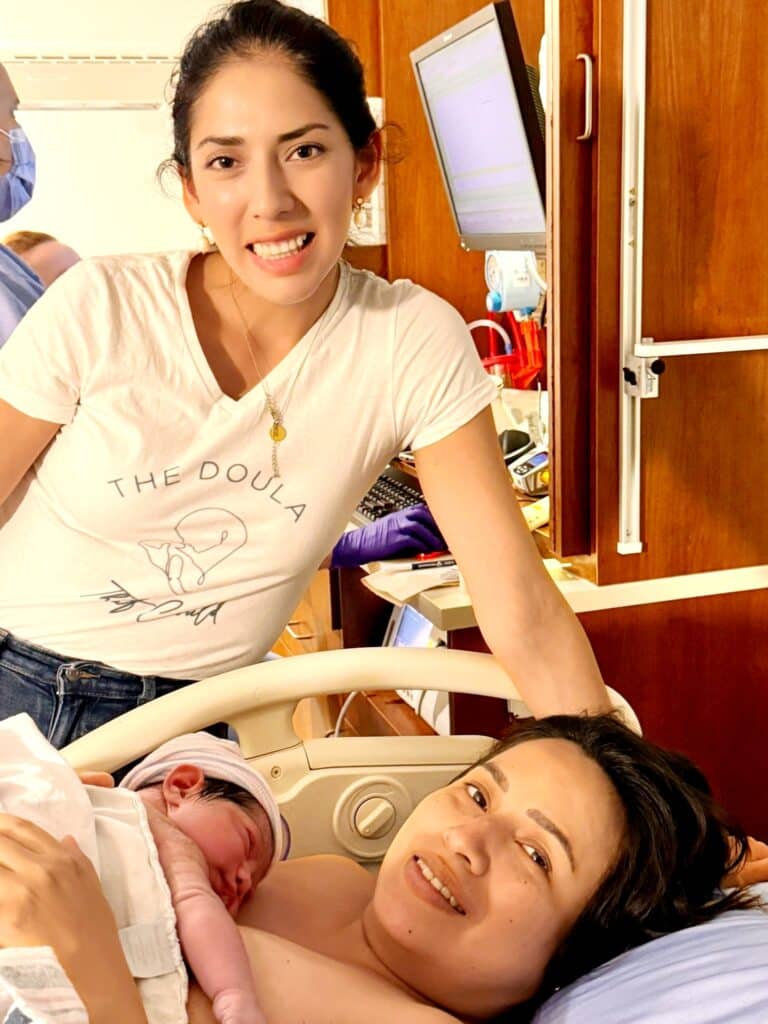
Doula support significantly improves maternal and infant health outcomes—including reduced C-sections, shorter labours, and increased breastfeeding success—As your doula, I am a constant source of encouragement, and a hands-on guide for these strategies. I can suggest position changes, apply counter-pressure, remind you to breathe, use a TENS machine, compresses or rebozo, and create a calm environment.
If you cannot have me as your doula, our 1-Hour Doula Consultation sessions cover in-depth preparation for these coping techniques and answer your specific questions. My goal is to help you feel confident and supported as you transition into postpartum. Empower yourself with comprehensive labour support. Learn how The Doula That Could can be your trusted companion throughout your birth journey by visiting my Birth Packages.

One Response